You applied for AdSense, waited a few days, and got the email you didn’t want. “Your site doesn’t comply with AdSense program policies: low value content.” No specifics. No line-by-line breakdown. Just a vague reason that leaves you guessing.
This rejection is one of the most common ones new publishers see, and it’s also one of the most fixable. It usually doesn’t mean your writing is bad. It means Google’s reviewers didn’t find enough substance to justify running ads next to your pages.
Here’s what the rejection actually means, why it happens, and what changed when I fixed it.
Quick Answer
- “Low value content” means your site doesn’t yet offer enough original, useful, in-depth information to satisfy readers or justify ad placement.
- The fix involves auditing thin pages, removing or expanding weak content, adding genuine depth and originality, and making sure your site has enough substantial pages before reapplying.
Why This Matters
This rejection isn’t personal, but it does reflect a real gap between your site and what Google’s Publisher Policies expect. Ads are meant to sit alongside content that helps people. If a page is short, generic, or duplicated from other sources, there’s nothing for the ad to support.
The impact goes beyond AdSense. Thin content also hurts your rankings and your chances of appearing in Google Discover. Fixing this issue tends to improve both your approval odds and your organic traffic at the same time.
The biggest mistake beginners make is reapplying too quickly without addressing the root cause. Google doesn’t reveal exact page-level issues, so guessing without fixing anything usually leads to another rejection.
What “Low Value Content” Actually Means
Google’s reviewers are looking for pages that show real effort and originality. According to Google Publisher Policies, sites need content that is original, informative, and adds value to readers rather than just repeating information already available elsewhere.
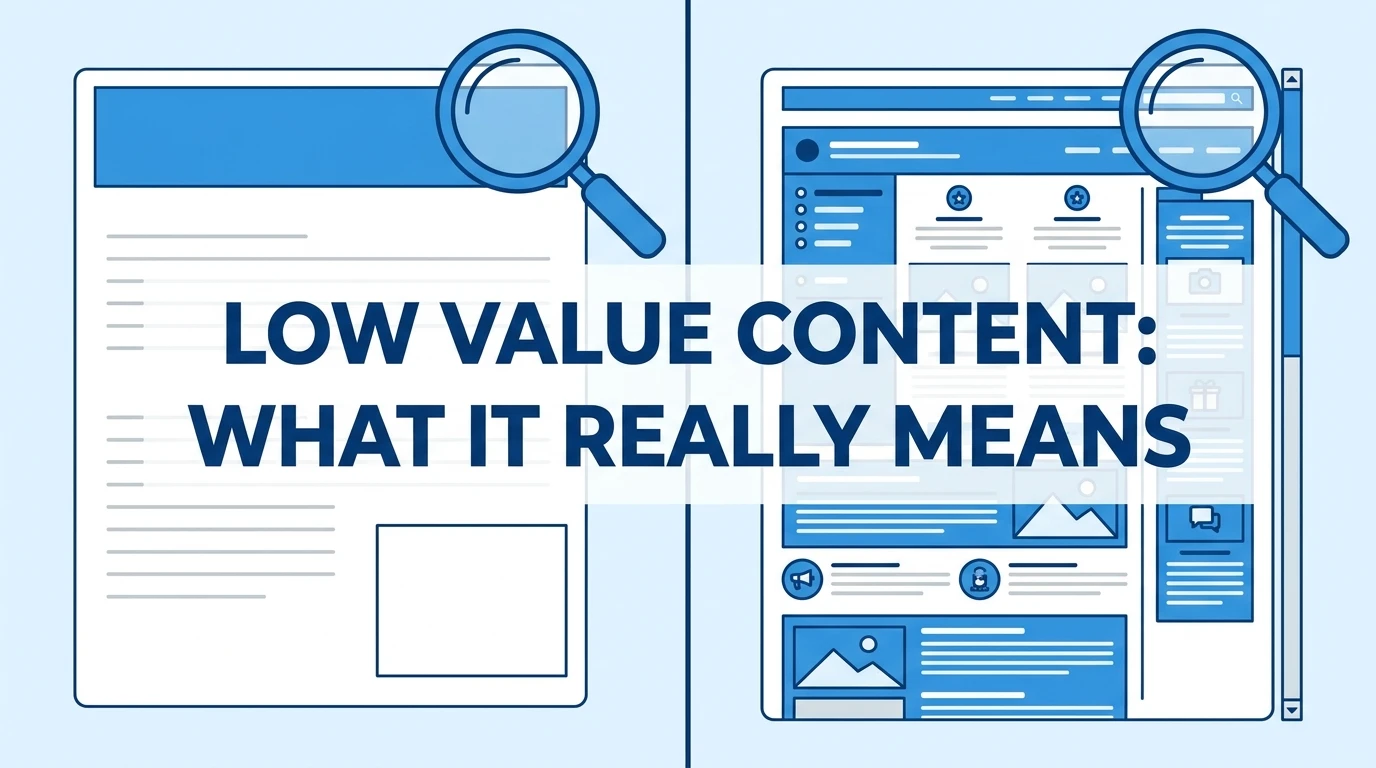
Low value content typically includes:
| Pattern | Why It Gets Flagged |
|---|---|
| Very short pages (under 300 words) | Not enough depth to help the reader |
| Content copied or lightly reworded from other sites | Fails originality checks |
| Auto-generated or unedited AI text | Reads generic, lacks expertise |
| Affiliate pages with no real reviews or insight | Feels promotional, not helpful |
| Pages with placeholder or “coming soon” text | Signals an unfinished site |
If you can point to several pages like this on your site, that’s likely where the rejection is coming from.
How to Audit Your Site for Thin Content
Before making changes, you need to know exactly which pages are weak. Go through your site page by page and ask three questions for each one:
- Does this page answer a real question a reader has?
- Could someone learn something they couldn’t easily find elsewhere?
- Would I be comfortable if a stranger judged my expertise from this page alone?
If the answer is no to any of these, that page is a candidate for expansion, rewriting, or removal. Running a full site check before reapplying is one of the most useful steps you can take. Tools like the AdSense Eligibility Checker can help you spot readiness gaps across your domain before you submit again.
Fixing Thin or Weak Pages
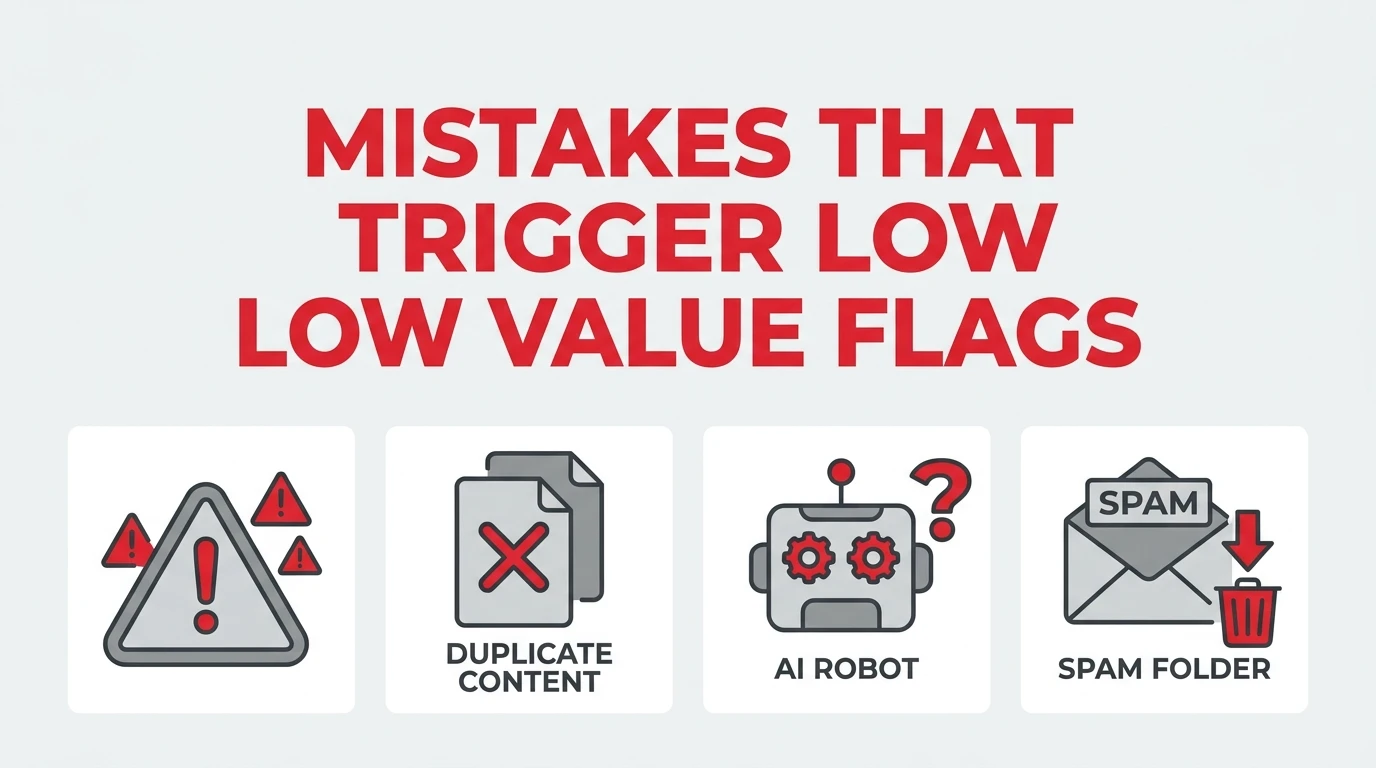
Once you’ve identified the weak pages, you have three options for each one.
- Expand it. Add real detail, examples, data, or personal insight. A 300-word page turned into a genuinely useful 1,200-word guide changes how it reads to both Google and human visitors.
- Merge it. If you have several short pages covering similar ground, combine them into one strong, comprehensive page instead of spreading thin content across multiple URLs.
- Remove it. Not every page is worth saving. If a post adds nothing and can’t realistically be improved, noindex it or delete it. A smaller site with strong pages performs better than a large site padded with weak ones.
Building Content That Signals Real Value
Google’s Helpful Content guidance rewards content created primarily for people, not search engines. That means writing from direct knowledge or experience where possible, being specific instead of generic, and avoiding content that only exists to attract clicks.
A few practical signals that help:
- An author bio that explains your background or expertise
- Original images, screenshots, or data instead of stock content
- Specific examples instead of vague statements
- Updated dates showing the content is maintained
- Clear structure that answers the reader’s question quickly
None of this needs to be complicated. It just needs to be genuinely useful.
Common Mistakes
Reapplying immediately after rejection. Google needs to see real changes, not the same site resubmitted. Give yourself time to actually fix the issues.
- Focusing only on word count. Longer isn’t automatically better. A padded 2,000-word article with no real substance is still low value.
- Ignoring old, neglected posts. New content doesn’t offset dozens of thin old pages still live on your site.
- Publishing content with no clear audience. Pages written to fill a content calendar, rather than to answer a real question, tend to read as low value.
Skipping a technical check. Sometimes the issue isn’t content depth at all, but crawlability, navigation, or missing pages like About and Contact. A quick website AdSense checker review can rule this out.
Best Practices Before You Reapply

- Aim for at least 20 to 30 substantial, original posts before applying
- Make sure every published page has a clear purpose
- Add an About page and a way for readers to contact you
- Check that your site loads properly on mobile
- Remove or improve any page that reads as filler
- Wait at least a few weeks after major changes before reapplying, so Google has time to recrawl your site
Pro Tip
Before reapplying, pick your five best pages and read them as if you were a stranger with no context. If those five pages don’t clearly show expertise and effort, expand them first. Reviewers often form an impression from a small sample of your site, not the whole thing.
“Low value content” is a fixable rejection, not a permanent verdict on your site. Audit your pages honestly, expand or remove the weak ones, and focus on genuine usefulness over word count. Give your changes time to be indexed before you reapply, and check your overall readiness with a proper site audit. If this helped clarify your next steps, consider sharing it with another publisher working through the same rejection.
Frequently Asked Questions
How long does the low value content rejection last?
There’s no fixed waiting period, but Google recommends making meaningful improvements before reapplying, which typically takes several weeks of real changes.
How many blog posts do I need before applying for AdSense?covering a clear topic.
There’s no official minimum, but most approved sites have at least 20 to 30 substantial, original posts
Can AI-written content cause a low value content rejection?output often gets flagged.
Yes, if it reads as generic or unedited. AI-assisted content can pass review when it’s edited, fact-checked, and adds genuine value, but raw unedited AI
Does site design affect the low value content decision?
Design itself usually isn’t the direct cause, but poor navigation or missing pages like About and Contact can reinforce an impression of low effort.
Should I delete old posts to fix this rejection?
If a post is short, outdated, or adds nothing to readers, removing or merging it is often better than leaving it live and diluting your site’s overall quality.

2 thoughts on “Why I Got Rejected for “Low Value Content” (How I Fixed It)”