Table of Contents
A lot of creators assume that once they get approved for AdSense on YouTube, the same approval automatically applies to their blog or website. It doesn’t. And this mix-up causes real confusion, especially for people running both a channel and a site.
The truth is that YouTube AdSense and website AdSense share the same parent program, but they run on separate approval systems, separate policies, and separate performance thresholds. Understanding YouTube AdSense vs Website AdSense differences early can save you weeks of frustration and prevent you from applying the wrong way.
Quick Answer
- Website AdSense reviews your site’s content quality, originality, navigation, and policy compliance before approving ads on pages.
- YouTube AdSense requires your channel to join the YouTube Partner Program first, which has fixed subscriber and watch hour thresholds, before AdSense is even offered as an option.
- One account can be linked to both, but each platform evaluates eligibility independently.
Many new publishers apply for website AdSense the same way they applied for YouTube monetization, and it doesn’t work. Website reviewers look for depth of content and site structure. YouTube reviewers look at watch time, community guideline history, and subscriber count.
Mixing up the two leads to common mistakes:
- Submitting a thin blog for review, expecting a YouTube-style “just wait for the numbers” approach
- Assuming a monetized channel guarantees a monetized website
- Not realizing a suspended AdSense account affects both platforms, since they share one Google account
Getting this right also affects your SEO strategy. A website built purely to “unlock” AdSense quickly, without real content depth, struggles with both approval and organic rankings. Google’s helpful content system prioritizes content designed for people rather than search engines, and that same standard shapes how reviewers judge a site during AdSense review.
How Website AdSense Approval Works
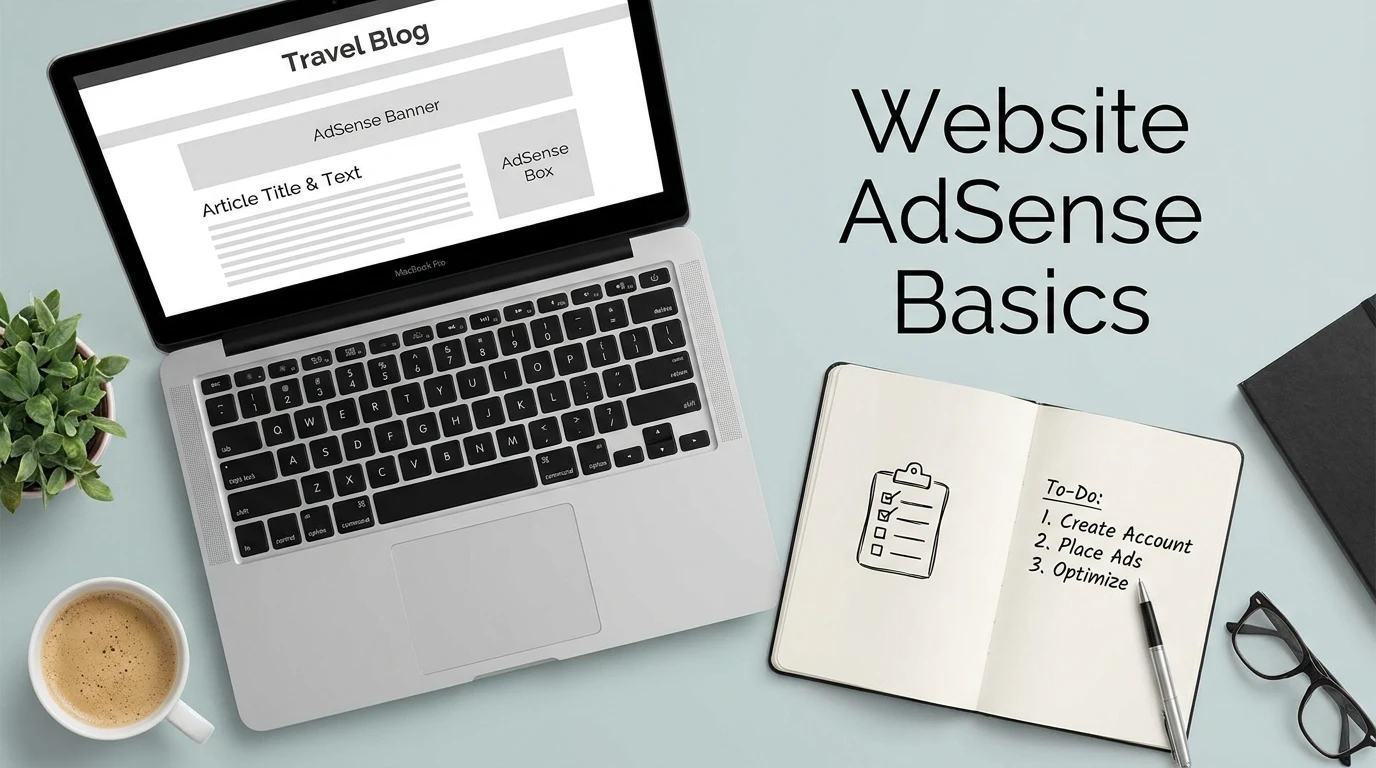
Website AdSense approval focuses on the site itself, not audience size. Google evaluates:
- Original, useful content that answers real search queries
- Clear navigation and working internal links
- An About page, Contact page, and Privacy Policy
- Mobile usability and site speed
- Compliance with Google Publisher Policies
There’s no fixed traffic minimum for AdSense on websites, but sites with too little content, duplicate pages, or heavy affiliate links with no original writing are frequently rejected.
If you’re unsure whether your site meets these basics before applying, running it through an AdSense Eligibility Checker can flag gaps in content, policy pages, and structure before you submit.
How YouTube AdSense Approval Works
YouTube AdSense works differently because it’s gated by the YouTube Partner Program (YPP) first. Before AdSense is even an option, your channel needs to meet YPP’s entry requirements, which currently include a minimum subscriber count and either watch hours or Shorts views over a rolling 12-month period.
Only after YPP approval does YouTube connect your channel to an AdSense account for payouts. This means:
- Content quality still matters, but it’s measured through watch time and audience retention, not text depth
- Community Guidelines and Copyright strikes directly affect eligibility
- Reapplication after rejection has a required waiting period
If you’re tracking progress toward these thresholds, a YouTube Watch Time Calculator makes it easier to estimate how close your channel is to meeting the watch hour requirement.
Side by Side Comparison
| Factor | Website AdSense | YouTube AdSense (via YPP) |
|---|---|---|
| Entry requirement | No fixed traffic minimum | Minimum subscribers + watch hours or Shorts views |
| Review focus | Content quality, structure, policy pages | Watch time, retention, community guideline history |
| Approval timeline | Days to a few weeks | Ongoing review after YPP thresholds are met |
| Main policy body | Google Publisher Policies | YouTube Partner Program Policies |
| Revenue driver | Page views, ad clicks, CTR | Ad impressions on video, engagement |
| Account link | One Google account, separate approval | One Google account, separate approval |

Common Mistakes
Applying too early. Submitting a website with five thin posts or a channel with no consistent upload schedule almost always ends in rejection. Both platforms want to see a pattern of real, ongoing effort.
- Ignoring policy pages. Website applicants often forget a Privacy Policy or Contact page, which are simple fixes that get missed under deadline pressure.
- Assuming one approval covers both. A creator can have a fully monetized YouTube channel and still get rejected on their blog, and vice versa, because the review criteria don’t overlap.
- Copying content across formats. Turning video scripts into blog posts without rewriting them for readers creates duplicate, low-value content that hurts website approval chances.
Not tracking performance metrics. Publishers who don’t monitor click-through rate or watch hours often don’t know why growth has stalled. A AdSense CTR Calculator can help website owners see whether ad placement or content relevance needs adjusting.
Best Practices
- Treat your website and YouTube channel as separate monetization projects with separate content plans
- Build a content library before applying anywhere, at least 15 to 20 substantial articles for a website
- Review Google’s Publisher Policies and YouTube’s Partner Program requirements directly rather than relying on secondhand advice
- Fix policy pages, navigation, and mobile speed before submitting a website for review
- Track watch hours and subscriber growth consistently instead of checking only when close to a deadline
Pro Tip
If you run both a blog and a YouTube channel, publish original written content on your site first and treat your videos as a separate asset. Don’t just transcribe your scripts. Google’s reviewers can tell when content was rewritten quickly versus written with the reader in mind, and that difference shows up in both approval decisions and long-term rankings.
Frequently Asked Questions
Can I use the same AdSense account for my website and YouTube channel?
Yes, one AdSense account can be linked to both a website and a YouTube channel, but each platform’s content and eligibility are reviewed separately.
Does YouTube approval help my website get approved faster?
No. Website reviewers assess your site’s content and policy compliance independently of your YouTube monetization status.
Why was my website rejected even though I have good traffic?
Traffic volume isn’t the main factor. Google looks at content originality, site structure, and policy compliance, so a high-traffic site with thin content can still be rejected.
How long does website AdSense review usually take?
Timelines vary, but most applicants hear back within a few days to a few weeks, depending on site size and review volume.
What happens if my AdSense account gets suspended on one platform?
Because AdSense is tied to your Google account, a suspension typically affects your ability to monetize across both websites and YouTube.
Website AdSense and YouTube AdSense look similar because they share the AdSense name, but they run on different rules, different review criteria, and different timelines. Treating them as one process is one of the most common mistakes new creators make.
Focus on building genuine content quality on each platform rather than trying to shortcut either review. Check your site’s readiness and track your YouTube metrics regularly so you know exactly where you stand. If this comparison helped clarify things, share it with another creator juggling both platforms.